Japan's ski areas from the past
Since the first ski areas opened in Japan in the 1910s, more than 900 individually named ski areas have existed. By the 1950s, there were around 30, and that number grew rapidly to nearly 200 within the next decade. The peak came around the year 2000, when approximately 720 ski areas were operating at the same time.
In 2026, Japan has roughly 490 ski areas, though some are temporarily closed for various reasons. Over 400 former ski areas are now defunct. Despite this, it remains surprisingly difficult to determine an exact current total, as definitions and operating statuses can vary (see our guide for more detail).
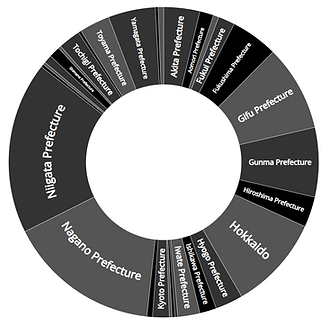
Ski area closures have occurred for many reasons, including ageing infrastructure, declining demand, increased competition, changing tourism patterns, and increasingly inconsistent snowfall. The fate of these former locations varies widely. Some were simply abandoned with infrastructure still in place, leaving lifts and buildings to slowly decay over time as nature reclaims the site. Others were fully dismantled, with facilities removed and reforestation projects returning the mountains to a natural state.
Each former ski area has its own history and story, which are documented on SnowJapanHistory. The site, launched in 2020, grew out of the same long-term interest in Japan’s ski areas that also led to the creation of SnowJapan, along with a desire to document both past and present. It contains introductions, basic data, historical satellite imagery, background information, and location details for past ski areas. Many entries also feature recent photographs taken at the locations.
SnowJapan also features an Inactive ski areas page. That page focuses on ski areas that are not currently operating but whose longer-term status remains unclear, as well as some recently closed ski areas that have not yet clearly moved into the past. Ski areas that are known to have been permanently abolished are documented separately on SnowJapanHistory.
All links in the interactive chart and list (below) lead to the relevant SnowJapanHistory pages and open in a new window.
SnowJapanHistory is an ongoing project with many old ski areas still to be added over the coming months and years. While additions will be added here, all updates can be found on SnowJapanHistory.